


Cost of Living in Toronto in 2025: Housing, Utilities, Groceries & Transportation
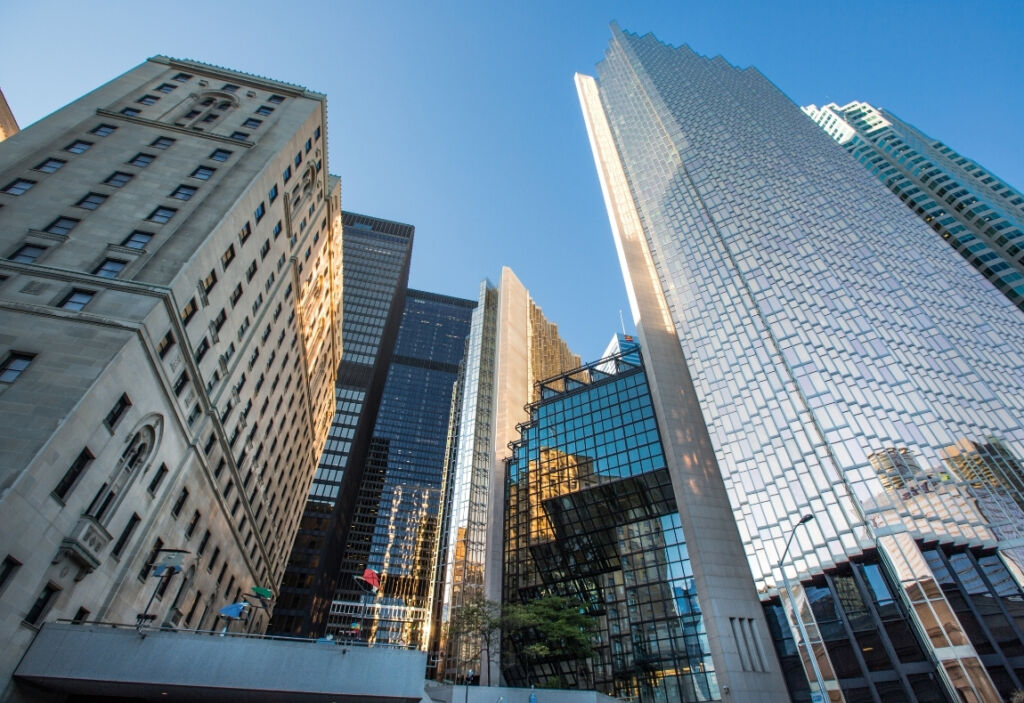
Toronto is known for its vibrant culture, diverse communities, and strong job market — but it is also one of the most expensive cities in Canada. In 2025, the overall cost of living continues to rise in areas like housing, groceries, and transportation. Whether you’re planning to move to Toronto for work, studies, or family reasons, understanding real living costs will help you prepare your budget wisely.
Housing Costs in Toronto (2025)
Housing remains the most significant monthly expense for people living in Toronto. The city continues to face high demand and limited availability, especially in central neighborhoods.
Average Rent Prices
Rental trends show a steady increase across most property types. Here is what renters can expect in 2025:
| Type of Housing | Monthly Rent (Average) |
| Studio | $1,800–$2,200 |
| 1-Bedroom Apartment | $2,200–$2,700 |
| 2-Bedroom Apartment | $2,900–$3,700 |
| 1-Bedroom Condo | $2,400–$3,000 |
| 2-Bedroom Condo | $3,200–$4,200 |
Why Are Toronto Rent Prices High?
- Population growth: Toronto attracts newcomers from across Canada and globally.
- Demand in key areas: Downtown and midtown remain highly desirable.
- Limited supply: New builds can’t fully keep up with demand.
- Rising maintenance costs: Condo fees and property taxes impact rental prices.
Which Areas Are More Affordable?
While downtown is the most expensive, you can find more budget-friendly rents in:
- North York
- Etobicoke
- Scarborough
- East York
- Several pockets around midtown (depending on building age)
Moving Into a Condo?
Most condo buildings require coordination with management, including elevator bookings.
A-Z Moving can help arrange this smoothly through their Condo Movers service.
Utility Costs in Toronto (2025)
Utility expenses vary depending on home size, heating type, and usage. Condos often include some utilities in maintenance fees, while houses typically require paying each utility separately.
Typical Monthly Utility Costs
| Utility | Average Monthly Cost |
| Electricity & Heating | $90–$160 |
| Water | $30–$50 |
| Internet | $60–$90 |
| Phone Plan | $45–$70 |
| Tenant Insurance | $15–$30 |
Factors That Influence Utility Bills
- Electric heating: Can double winter bills.
- Older buildings: Often less energy efficient.
- Large households: More devices, appliances, showers, laundry.
- Work-from-home lifestyle: Increases electricity use.
Grocery Costs in Toronto (2025)
Grocery prices have risen steadily in the last few years due to inflation and supply chain changes. Costs depend heavily on the stores you choose.
Average Monthly Grocery Budget
- Single person: $350–$500
- Couple: $600–$800
- Family of four: $900–$1,300
Where to Save on Groceries
- No Frills, FreshCo, Food Basics: Lower prices and weekly deals
- Walmart: Budget-friendly produce and household items
- Costco: Good for bulk purchasing (ideal for families)
- Loblaws, Metro, Whole Foods: Higher prices, more premium items
Cooking at home frequently is one of the best ways to reduce overall living costs.
Transportation Costs in Toronto
Toronto has several transportation options, and your preferred method will significantly affect your monthly budget.
TTC Transit Costs
Public transit is often the cheapest way to get around:
- Monthly TTC pass: $156
- Single fare: $3.30
- PRESTO card: Saves small amounts per ride
Driving Costs
Toronto is known for traffic, parking challenges, and insurance costs.
| Expense | Monthly Estimate |
| Gas | $180–$260 |
| Insurance | $150–$250 |
| Parking | $120–$300+ |
Driving is usually more expensive than public transit unless you live far from TTC lines.
Cycling
Toronto continues to expand bike lanes:
- Cheap
- Fast in downtown
- Eco-friendly
A great option for those who live and work centrally.
Other Living Expenses
Entertainment, Fitness & Dining
Toronto offers countless entertainment options, from restaurants to cultural events.
| Type of Expense | Average Cost |
| Gym Membership | $40–$90/month |
| Cinema Ticket | $15–$20 |
| Dining Out | $18–$35 per meal |
| Coffee | $4–$7 |
Childcare Costs
Childcare remains one of the biggest expenses for families.
After government subsidies:
- Licensed daycare: $800–$1,400/month
Health & Personal Care
- Doctor visits: Covered by OHIP
- Dental: $100–$250 per visit
- Haircut: $25–$60
Cost of Moving in Toronto
If you’re relocating within the city, moving costs vary based on home size, distance, and required services.
Average Moving Costs
- Small apartment: $350–$550
- 1-bedroom: $500–$800
- 2-bedroom: $800–$1,300
- House (3+ bedrooms): $1,200–$2,000+
A-Z Moving offers reliable and transparent pricing for different move types:
If you need help with boxes or supplies, you can also check: Boxes & Moving Supplies.
Is Living in Toronto Worth the Cost?
Despite its higher cost of living, Toronto offers:
- Excellent job opportunities
- A world-class food scene
- Great public transportation
- Safe and diverse communities
- Strong education systems
- Endless entertainment and cultural events
For many people, the quality of life, convenience, and opportunities make the cost worthwhile.
FAQ — Cost of Living in Toronto (2025)
1. What is a realistic monthly budget for someone living in Toronto?
A single person can expect to spend $2,500–$3,300 per month, depending on lifestyle, rent, and transportation choices.
2. Is it expensive to move within Toronto?
Local moving costs start at $350–$550 for small apartments and increase with home size. For safe and fast relocations, check:
Residential Moving.
3. Are condos cheaper to live in than apartments?
Condos often have included utilities and amenities, but rent is sometimes higher. Maintenance fees also influence prices. Moving into a condo may require elevator booking — see:
Condo Movers.
4. How can I reduce my living costs in Toronto?
Choose areas outside downtown, use public transit, cook at home, shop at discount grocery stores, and compare internet/phone plans regularly.
5. Is Toronto still a good city for families?
Yes. Toronto offers excellent schools, parks, healthcare, transit access, and multicultural communities, making it a strong choice for families despite higher costs.



Similar Posts

Trading the City for the Suburbs: The Toronto to Mississauga Relocation Guide
For decades, the standard trajectory for many Torontonians has been highly predictable: spend your twenties in a downtown condo, and when it’s time to buy a house or start a family, look west. Mississauga has long been the crown jewel of the Greater Toronto Area (GTA) for those seeking more space, greener neighborhoods, and a […]

How to Move With Pets: The Ultimate Guide for Stress-Free Relocation
Moving is stressful enough for humans—but for pets, it can be especially overwhelming. Animals thrive on routine, and disruptions caused by relocation can trigger anxiety, behavioral changes, or health issues. However, with thoughtful preparation, careful planning, and the right resources, moving with pets can become a smooth and stress-free process for everyone involved. In this […]

Moving to Brampton: The Complete Logistics and Relocation Guide
Brampton is one of the fastest-growing municipalities in Canada, drawing thousands of families and professionals looking for expansive detached homes, vibrant diverse communities, and proximity to major GTA commercial hubs. Moving from a dense urban environment like downtown Toronto to the sprawling subdivisions of Peel Region requires a complete shift in relocation strategy. A suburban […]